FIELD NOTES / STUDIO PERSPECTIVE
Is your hospitality project ready for design?
19 October 2026
KPHD
What should be ready before starting hospitality design?
For KPHD, readiness means having enough clarity to begin making design decisions together: a purpose for the place, an accountable decision-maker, a workable project budget, the operating facts you know and a way to discuss what changes. You do not need to arrive with the room designed. Bring the uncertainties, too, so the next step responds to the project’s actual needs rather than a finished-looking brief.
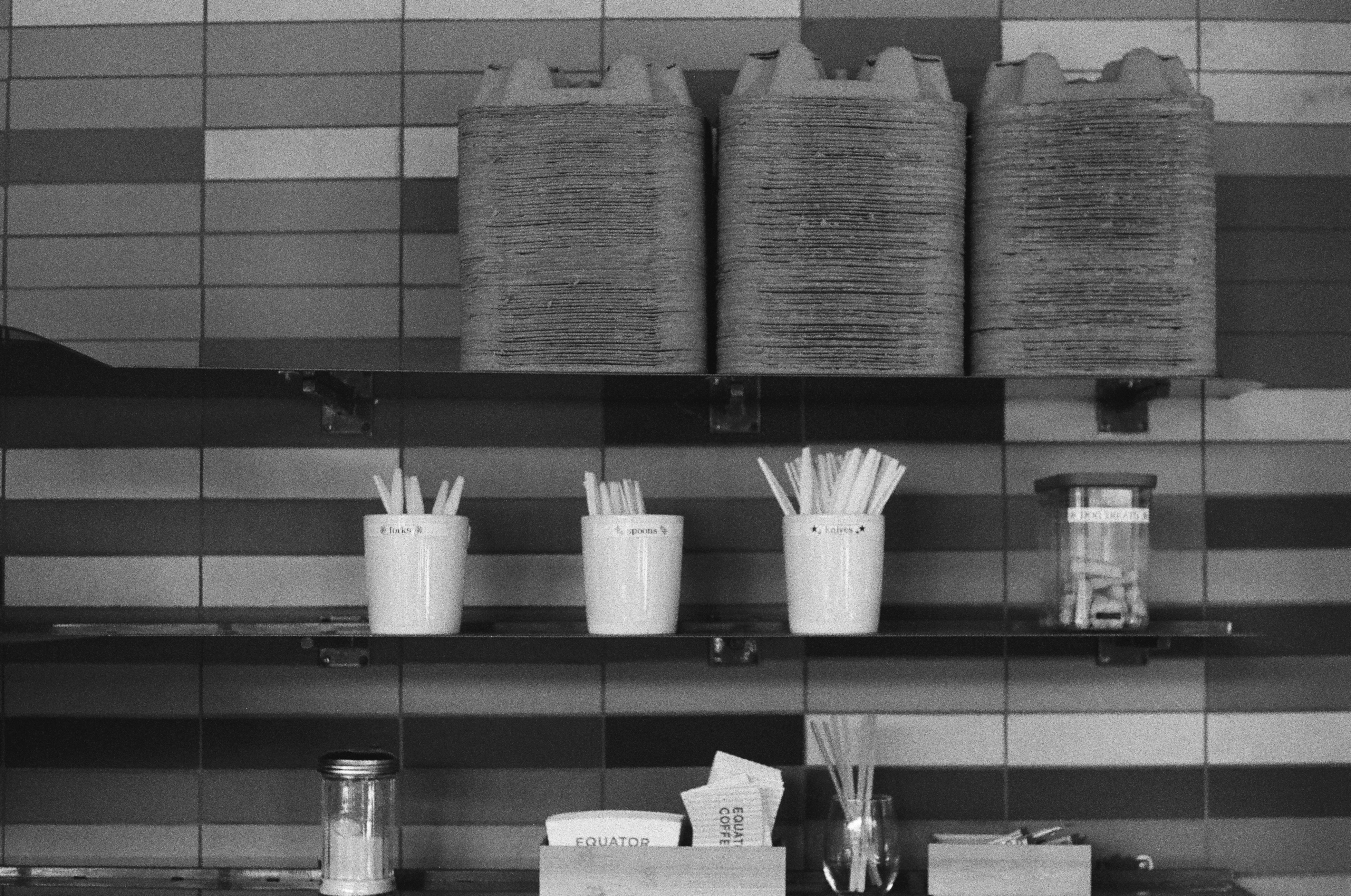
Equator Coffees, Culver City. Photograph by Antonio Diaz, 2024.
Is the purpose clear enough for the next step?
Start with who the place is for and what you want it to offer them. The answer can be rough. Knowing how you want a room to feel, without knowing what it looks like yet, gives us something useful to discuss.
If several different business ideas are still competing, name that. A conversation about direction may be the right first piece of work. The brief should show where the idea is clear and where it is still being formed.
Who can make the decisions?
Identify who can approve design, project resources, schedule and changes. A partnership or investor group can have a clear decision path; a single owner can have unresolved responsibilities. Describe the actual arrangement.
We want to know who needs to participate, whose input is advisory and who can say yes. Agree on how a question moves from discussion to a recorded decision.
Is the project budget available as a design input?
Share what is available to the project, what is already committed and where flexibility remains. Identify who controls those decisions and what still needs confirmation.
This is an account of the project’s constraints and priorities. It is not a test of whether someone has arrived with the “right” number. When something is unknown, mark it and agree on the next useful way to clarify it.
What operating facts do you bring?
Bring the knowledge that belongs to your side of the counter: the service sequence, equipment, storage, receiving, staffing and daily work. Add the building information and landlord requirements you have, with a clear distinction between documents, observations and assumptions.
You do not have to solve the plan. Help us understand what the business needs to do and which conditions still need investigation. That knowledge belongs beside the guest experience in the design conversation.
Can the team discuss a difficult change?
Decide how you will handle a question that interrupts the preferred plan. Who needs to hear about it? Who can make or escalate a decision? How will the team record what changed and why?
For us, being able to stay in the conversation is part of readiness. The working relationship needs room for a clear question, an uncomfortable constraint and a considered response.
What if some of this is still unresolved?
Use the questions to choose the next engagement. If the idea needs articulation, begin there. If authority is split, clarify the decision path. If site conditions are unknown, agree on the investigation before treating assumptions as facts.
Readiness is a practical conversation about what the project needs next. You can bring an unfinished idea. The aim is to create the conditions in which the right decisions can be made together.
Sources & editorial note
These are KPHD’s suggested questions for preparing a design engagement. They are a starting point for discussion, rather than a client score or a promise of project outcomes.
The ideas are mine — lived, read, and noticed first. AI writing assistance helps me get them onto the page. — Kellie Patry